

Discovering Disease Mechanisms, Advancing Diagnosis and Therapies, and Training the Next Generation of Scientific Pioneers
At the Division of Experimental Pathology, we are a dynamic team of basic and translational investigators dedicated to uncovering the cellular and molecular mechanisms that drive a diverse range of diseases. Through cutting-edge research, we aim to transform our understanding of disease etiology, pathogenesis, diagnosis, and treatment—ultimately improving human health.
Equally committed to shaping the future of pathology, we provide rigorous training and mentorship to the next generation of scientific leaders. Our faculty members are globally recognized experts, driving innovation at the intersection of discovery and clinical application.
By integrating groundbreaking research with world-class education, we continue to redefine the frontiers of Experimental Pathology.
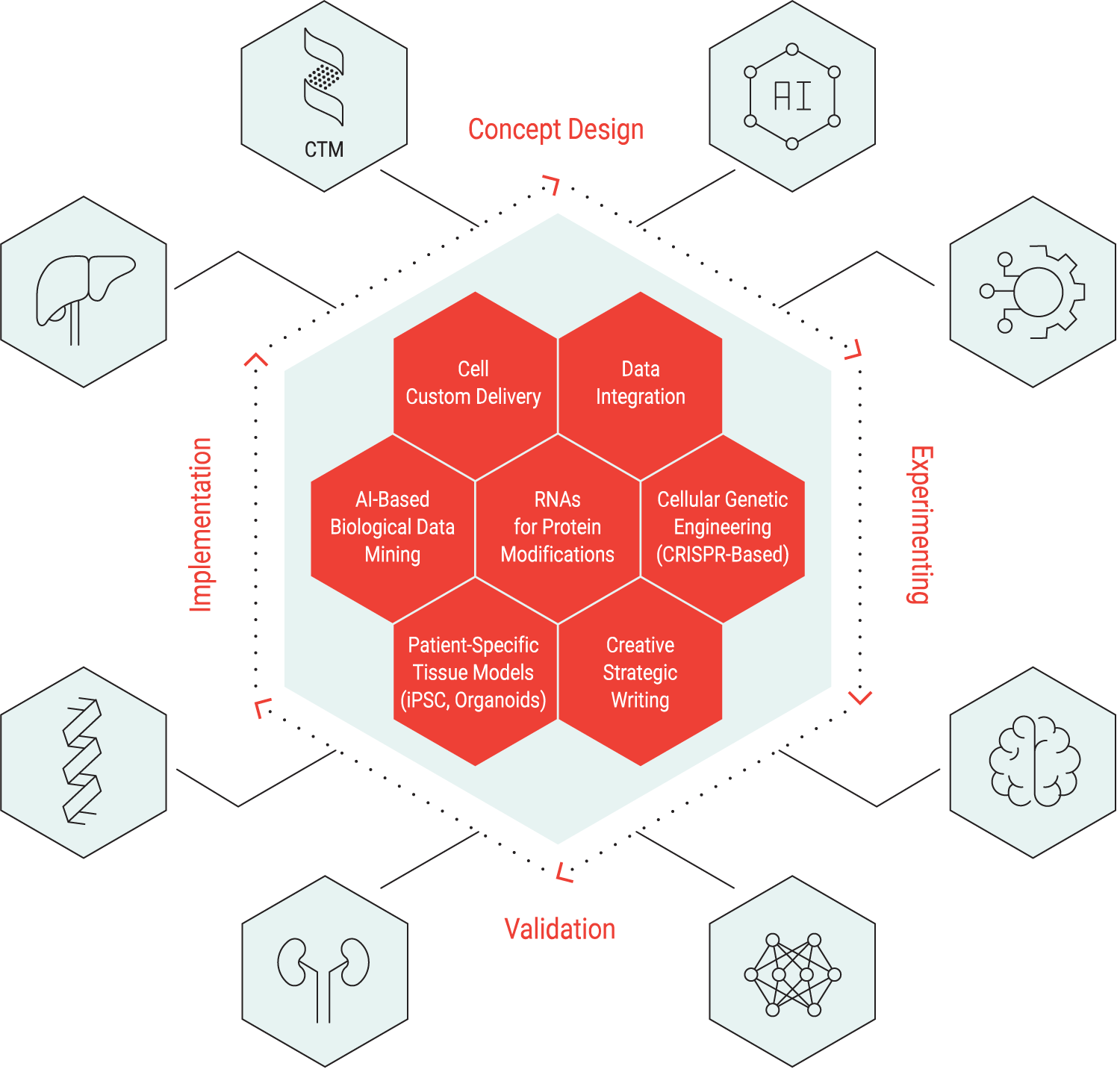
Collaborative Research Structure: Technological Platforms & Plugin System
Our research division operates on a cutting-edge plugin system that connects laboratories through a shared technological platform. This modular structure lets each lab plug in its own specialized tools, creating a seamless, scalable ecosystem. The strength of the plugin system lies in its flexibility—labs can quickly integrate new technologies, adapt to evolving needs, and customize resources. The result: faster innovation, enhanced collaboration, and maximum research impact, all while maintaining lab independence.

Welcome to the Division of Experimental Pathology. Our mission is to advance human health through cutting-edge research, technology, and training. We investigate the molecular basis of disease to inform diagnosis, treatment, and prevention.
Our collaborative, plugin-based research model enables labs to share platforms and expertise, accelerating discovery and fostering interdisciplinary innovation. We are equally committed to training future leaders in pathology through rigorous mentorship and hands-on research.
Thank you for your interest—we invite you to explore our programs and meet the people driving progress in experimental pathology.
Alejandro Soto-Gutierrez, MD, PhD
Professor and Vice Chair, Director, Division of Experimental Pathology
Collaborative Matrix
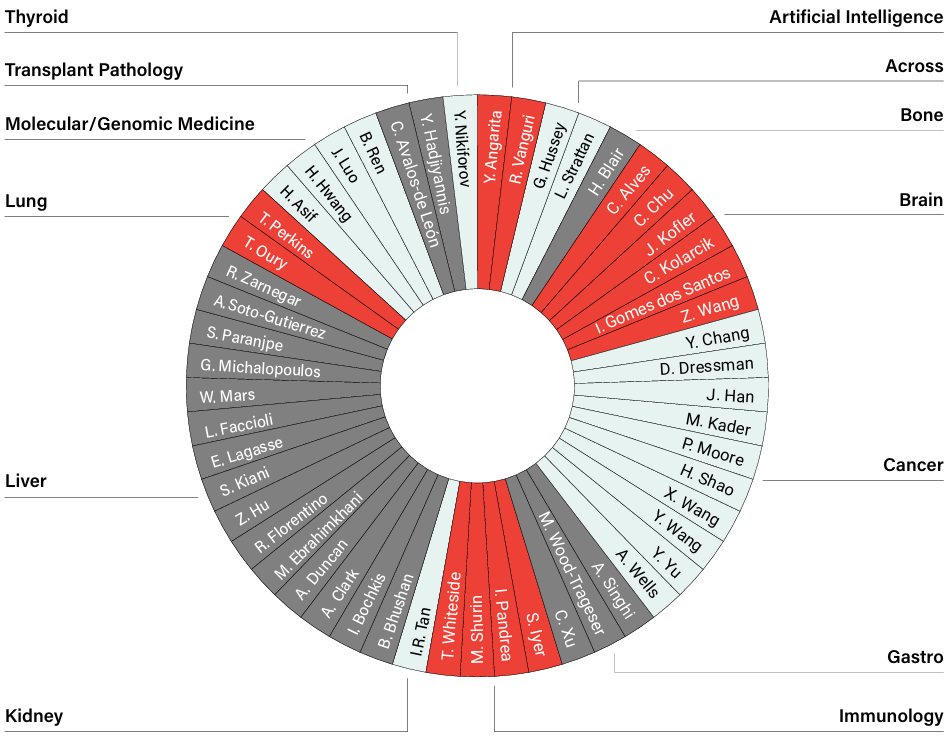
Faculty Directory
Meet the Experts Behind Our Groundbreaking Research
- Faculty Directory A-M
-
Christiano Alves, PhD
Assistant Professor
Email: CRA92@pitt.edu
The intersection of genome editing and applied physiology, with the overarching goal of impacting human healthHuma Asif, PhD
Assistant Professor
Email: hua60@upmc.edu
Multi-omics and machine learning approaches to link epigenetic aging and ancestry with endometrial cancer riskCindy G. Avalos-de León, PhD
Research Instructor
Email: avalos.cin@pitt.edu
Transplantation immunology and liver transplantation, focusing on ischemia-reperfusion injury, extracellular vesicles, immune regulation, and RNA-based strategies to promote donor-specific immune toleranceBharat Bhushan, PhD
Assistant Professor
Email: bhb14@pitt.edu
MET and EGFR signaling in liver disease to develop targeted therapies for injury and NAFLDHarry Blair, MD
Professor
Email: hcblair@pitt.edu
Bone turnover, mineralization disorders, and glucocorticoid-induced bone loss with focus on osteoporosis in veteransIrina Bochkis, PhD
Associate Professor
Email: bochkisi@pitt.edu
Genetic and epigenetic regulation of liver metabolism in metabolic diseases like diabetes and MASLDYuan Chang, MD
Professor
E-Mail: yc70@pitt.edu
Viral oncogenesis, focusing on Merkel cell polyomavirus, KSHV, and novel pathogen discovery using genomic technologies.Charleen Chu, MD, PhD
Professor, A. Julio Martinez Endowed Chair in Neuropathology
Email: ctc4@pitt.edu
Synaptic biology, mitochondrial dysfunction, and cellular quality control in Parkinson’s and frontotemporal dementiasAmanda Clark, PhD
Research Assistant Professor
Email: amc235@pitt.edu
Molecular drivers of liver metastasis and exosome-mediated crosstalk in a 3D hepatic microphysiological modelFabiola Diniz, PhD
Research Assistant Professor
Email: fac132@pitt.edu
Investigating T-cell–glial interactions in neuroinflammation and neurodegeneration to identify potential therapeutic targetsAndrew Duncan, PhD
Associate Professor
Email: duncana@pitt.edu
Hepatic polyploidy and aneuploidy in liver regeneration and disease, including HCC, DILI, and MASHMo Ebrahimkhani, PhD
Associate Professor
Email: mo.ebr@pitt.edu
Synthetic biology and stem cell engineering to build liver organoids, vascularized tissues, and liver-on-a-chip platformsLanuza Alaby Pinheiro Faccioli, PhD
Research Assistant Professor
Email: laf120@pitt.edu
Isolation and culture of hepatic and iPSC-derived liver cells to uncover genetic drivers of liver diseaseRodrigo Florentino, PhD
Research Assistant Professor
Email: rodrigomachado@pitt.edu
Genetic polymorphisms in liver disease using patient-derived iPSCs, gene editing, and organ modelingIgor Gomes dos Santos, PhD
Research Instructor
Email: ilg33@pitt.edu
Using genome editing and integrative physiology to target immune and metabolic processes in the tumor microenvironment and chronic diseasesYannis Hadjiyannis, MD
Resident, PGY3
Email: hadjiyannisy@upmc.edu
Research in immunology, transfusion medicine, and cell therapy, with interests in immune regulation, therapeutic apheresis, and regulatory dendritic cell therapies for transplantationJie Han, MD, PhD
Email: hanxjx@upmc.eduZhiping Hu, MD
Research Instructor
E-mail: ZHH69@pitt.edu
Transcriptional reprogramming and mRNA therapies for liver disease, advanced models to develop and test regenerative treatmentsGeorge Hussey, PhD
Assistant Professor
Email: gsh8@pitt.edu
ECM-based scaffolds for immune modulation and tissue reconstruction in regenerative medicineHun-Way Hwang, PhD
Associate Professor
Email: hunway.hwang@pitt.edu
Alternative mRNA processing in neurological, hematological, and liver diseases using CRISPR and transcriptomic profilingSmita Iyer, PhD
Associate Professor
Email: siyer.3@pitt.edu
CD4 T cell regulation of antibody responses and neuroinflammation in HIV and neurodegenerative diseasesMuhamuda Kader, PhD
Research Faculty Instructor
Email: kader@pitt.edu
Targeting aggressive liver cancer using MAN2A1-FER fusion gene, monoclonal antibodies, and CRISPR-based therapiesSamira Kiani, MD
Associate Professor
Email: samira.kiani@pitt.edu
CRISPR and epigenetic editing for in vivo therapeutics, immune modulation, and liver-on-chip gene therapy platformsChristi Kolarcik, PhD
Assistant Professor
Email: clk39@pitt.edu
Neuronal and circuit dysfunction in ALS and FTD using molecular biology, neural engineering, and systems neuroscienceJulia Kofler, MD
Associate Professor
Email: koflerjk@upmc.edu
Neuropathology of Alzheimer’s, CTE, and AD-associated psychosis with focus on brain banking and genetic risk factorsEric Lagasse, PhD
Professor
Email: lagasse@pitt.edu
Stem cell biology, cell-based therapies, and bioartificial tumor development for liver disease and cancer treatmentJoseph Locker, MD, PhD
Professor
Email: lockerj@upmc.edu, jlocker@pitt.edu
Transcriptional mechanisms in liver function, cancer, and cirrhosis using NextGen sequencing for gene expression and chromatin remodelingJianhua Luo, PhD
Professor, UPMC Endowed Chair of Molecular Carcinogenesis
Email: luoj@upmc.edu
Genomics of hepatocellular and prostate cancer, focusing on fusion genes and synthetic long-read sequencing for cancer diagnosis and treatmentWendy M. Mars, PhD
Asst. Dean for the Learning Environment, Professor of Pathology, Director, Pathology Graduate Program
Email: wmars@pitt.edu
u-PA/HGF and t-PA pathways in liver repair, fibrosis, and metabolism for liver-targeted therapies and metabolic disease treatmentsGeorge Michalopoulos, MD, PhD
Professor
Email: michalopoulosgk@upmc.edu
ECM remodeling, HGF, and EGFR signaling in liver regeneration and hepatocellular carcinoma, with a focus on transdifferentiationPatrick S. Moore, MD, MPH
Distinguished Professor of Pathology
Email: psm9@pitt.edu
Kaposi sarcoma herpesvirus and Merkel cell polyomavirus replication, cancer mechanisms, and anti-viral immunity using protein engineering - Faculty Directory N-Z
-
Yuri E. Nikiforov, MD, PhD
Division Director, Molecular & Genomic Pathology, Vice Chair of the Department of Pathology, Professor of Pathology
Email: yen1@pitt.edu
Thyroid tumor pathology, genetics, and molecular diagnostics, including the ThyroSeq test and NIFTP reclassificationTim D. Oury, MD, PhD
Professor
Email: tdoury@pitt.edu
RAGE's role in asthma pathogenesis, including IL-33 release, ILC2 recruitment, mucus production, and eosinophilic inflammationIvona Pandrea, MD, PhD
Professor
Email: pandrea@pitt.edu
HIV and infectious disease mechanisms in African nonhuman primates, focusing on gut dysfunction, microbiota, inflammation, and immune cell interactionsShirish Parajnpe, PhD
Research Associate Professor
Email: shirish@pitt.edu
MET and EGFR inhibition in liver regeneration, gene regulatory networks in transplanted pig livers, and microRNA profiles in rat liverTim Perkins, PhD
Assistant Professor
Email: tnperkins@pitt.edu
Cellular and molecular mechanisms of obstructive lung diseases, particularly asthma, with emphasis on alarmin/DAMP signaling and RAGE-mediated pathwaysBaoguo Ren, MD
Research Instructor
E-mail: bar43@pitt.edu
Dr. Ren leads department-wide and university-wide efforts in high-throughput sequencing, with a particular focus on RNA sequencing (RNA-Seq), exome sequencing (Exome-Seq), and single-cell sequencing (Single Cell-Seq) to advance precision medicine and molecular diagnostics. His research also explores innovative cancer therapies, including antibody-based treatments and the therapeutic modification of messenger RNA (mRNA) to target cancer at the molecular level.Hanshuang Shao, PhD
Research Instructor
Email: has24@pitt.edu
EGFR signaling, actin-binding protein alpha-Actinin-4, and drug resistance mechanisms in cancer cell migration and invasionMichael Shurin, MD, PhD
Professor
Email: shurinmr@upmc.edu
Tumor microenvironment and myeloid regulatory cells in immune suppression and cancer progression, developing therapies to restore antitumor immunityAatur Singhi, MD, PhD
Associate Professor
Email: singhiad@upmc.edu
Clinical diagnostic tests for gastrointestinal and hepatobiliary cancers, including pancreatic cysts and neuroendocrine tumors, and biomarker identificationAlejandro Soto-Gutierrez, MD, PhD
Professor and Vice Chair, Director, Division of Experimental Pathology
Email: als208@pitt.edu
Reprogramming chronically injured tissues using iPSCs and human organ models for precision medicine and targeted tissue regenerationLydia Strattan, PhD
Assistant Professor
Email: les222@pitt.edu
Anatomy education across medical, nursing, and dental programs to strengthen foundational knowledge in human structure and functionRoderick J. Tan, MD, PhD
Associate Professor
Email: tanrj@upmc.edu
Kidney disease mechanisms using animal and cell models, focusing on KEAP1/NRF2 signaling, renal nerves, and fibrosis for improved diagnostics and therapies.Xiaosong Wang, MD, PhD
Associate Professor
Email: xiaosongw@pitt.edu
Cancer drivers and therapeutic targets through multi-omics analysis and experimental validationYue (Yolanda) Wang, MD, Msc, MBA
Research Instructor
Email: Yue.wang@pitt.edu
Cancer genetics and immunotherapy, cell biology, xenograft models, and clinical ophthalmologyZhi Qiang Kent Wang, PhD
Research Instructor
Email: zkw1@pitt.edu
Neurodegeneration in Alzheimer’s and Parkinson’s disease, highlighting mitochondrial dysfunction, autophagy, ERAD, and PINK1-driven dendritic signaling pathways.Alan Wells, MD, DMS
Thomas J. Gill III Professor of Pathology, Executive Vice Chairman, Section of Laboratory Medicine
Email: wellsa@upmc.edu
Cell migration in tumor invasion, wound healing, and organogenesis, with a focus on EGFR signaling and metabolic impacts in cancer and wound repairMichelle Wood-Trageser, PhD
Assistant Professor, Division of Translational Pathology
Email: woodma4@upmc.edu
Histopathology and multiplex immunohistochemistry to study the immune microenvironment and develop clinical tests correlating biopsy geography with molecular signaturesTheresa Whiteside, PhD
Professor
Email: whitesidetl@upmc.edu
Tumor immunology and immune suppression, focusing on tumor-derived exosomes (TEX) and therapies to counter immune escape in cancerCuiling (Amy) Xu, PhD
Research Instructor
Email: cux1@pitt.edu
Efficacy of antiretroviral treatments on mucosal immune activation, inflammation, microbial translocation, and microbiomeYan Ping Yu, MD, PhD
Associate Professor
Email: ypyu@pitt.edu
Genomic instability in cancer, focusing on prostate cancer, exploring gene expression, structural variations, and RNA epigeneticsReza Zarnegar, PhD
Professor, UPMC Endowed Chair in Growth Factor Biology
Email: rezazar@pitt.edu
HGF/MET axis in tissue homeostasis, metabolism, type 2 diabetes, MASH, and cancer, with a focus on restoring liver function and cell survival - Post-Doctoral Associates
-
Neha Atale
Sukanya Banerjee
Email: sub115@pitt.edu
Neurotoxicity mechanisms of 2N4RWT tau in Alzheimer's and FTLDs, aiming to identify neuroprotective factors to counter tau pathologyShehnaz Bano, MS, PhD
Email: shb208@pitt.edu
Molecular pathways, including c-Met and EGFR, in liver regeneration and protection against acetaminophen-induced liver injuryCody Drozd, PhD
Email: cjd154@pitt.edu
Dendritic trafficking mechanisms in Parkinson's, specifically mitochondrial trafficking differences in wild-type vs. PINK1 KO mice
MD Zahir Hussain
Email: mdh106@pitt.edu
Exploring lymph nodes as a platform for ectopic liver formation using multi-omics to uncover liver regeneration mechanisms and identify biomarkers for tissue developmentSiddhi Jain
Email: sij55@pitt.edu
Liver regeneration and hepatotoxicity, focusing on c-Met, EGFR, and signaling pathways in acetaminophen-induced acute liver injurySamuel Johnson
Minwook Kim, PhD
Email: minwook@pitt.edu
Mechanisms and therapeutic targets of liver diseases, including primary sclerosing cholangitis (PSC) and cholangiocarcinoma (CCA), as well as hepatic plasticity, using murine models and xenograft mouse modelsBashir Lawal
Email: bashirlawal@pitt.edu
Genetic mechanisms of tumor immune evasion and therapy resistance, focusing on structural rearrangements in aggressive cancers and pan-cancer immunotherapy resistanceZhenghao Liu
Email: zhl311@pitt.edu
Leveraging gene regulation in iPSC-derived hepatocytes and multi-omics integration to identify translational strategies for liver diseaseJiayi Lu
Email: Jil496@pitt.edu
Mechanisms that prevent synaptic dysfunction and cognitive decline in dementias, with a focus on PINK1 regulation of dendritic mitochondrial transport during synaptic maturationDinesh Mohanakrishnan, PhD
Email: dim60@pitt.edu
Thymus transplantation and induced tolerance for therapeutic applications in allogeneic transplantationPabitra Pal
Email: pbp13@pitt.edu
T follicular helper cells and pattern recognition receptors to improve antibody responses and understand HIV-associated neuroinflammationCarlos Pinero
Email: CAP215@pitt.edu
Tumor-derived small extracellular vesicles in head and neck cancer, focusing on HPV DNA in sEV from oral squamous cell carcinoma and their role in viral transmission and tumor progressionKevin Raehtz
Renu Sharma
Yiyue Sun
Rahul Srivastava
Li Wan, PhD
Email: liw113@pitt.edu
Merkel Cell Carcinoma virus replication and DNA amplification, developing CTL-based vaccines for SARS-CoV-2Bo Yang MD, PhD
Email: boy40@pitt.edu
Transcriptional therapy for end-stage liver disease, reprogramming hepatocytes to improve liver regeneration and transplant outcomes
 Center for Transcriptional Medicine (CTM)
Revolutionizing Tissue reprogramming and organ regeneration
 Computational Pathology & Ai Center of Excellence (CPACE)
Advancing Pathology & Laboratory Medicine by integrating cutting-edge AI technologies
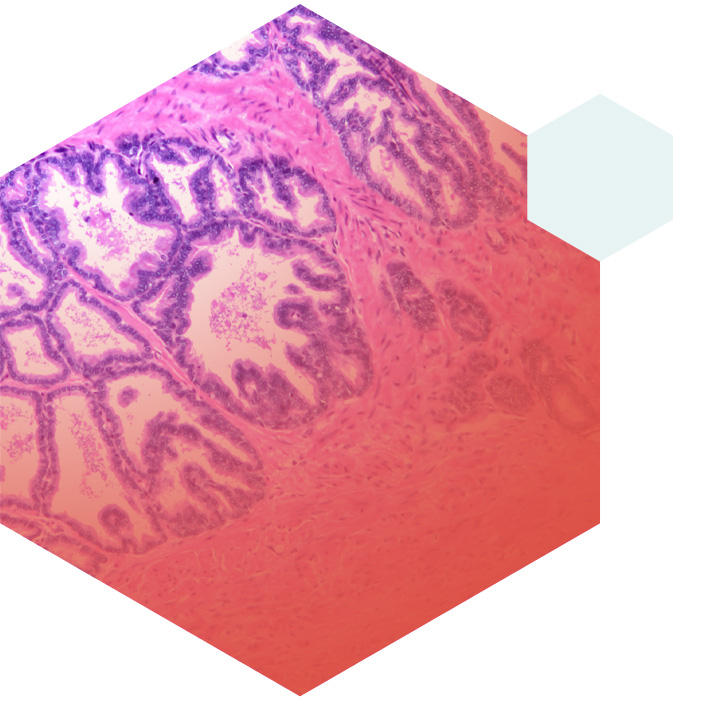

The Experimental Pathology Division at the University of Pittsburgh School of Medicine is proud to launch the Sisterhood Program, a collaborative network designed to foster idea exchange, data sharing, and interdisciplinary research among junior faculty. In partnership with affiliated institutions such as Case Western Reserve University, this initiative aims to strengthen academic connections, accelerate discoveries, and create new opportunities for collaboration in experimental pathology.
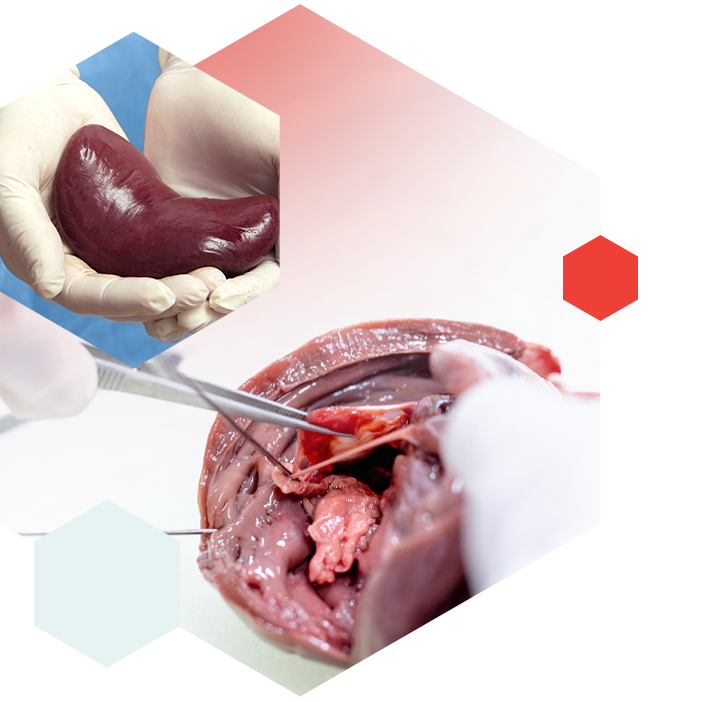 Empowering Precision Research Through Organ-Derived Cell Systems and Genetic Engineering
Our hub specializes in transforming human explanted organs into powerful tools for personalized disease modeling and translational discovery. Through an integrated pipeline, we deliver high-quality cellular and genetic resources tailored for cutting-edge biomedical research.
- Human Organ Processing – Expert isolation of primary cells and tissues from explanted diseased organs (Livers, Lungs, Kidneys and Hearts) to enable in-depth translational studies
- Patient-Derived iPSC Generation – Creation of induced pluripotent stem cells from diverse patient populations to support individualized disease modeling and regenerative research
- CRISPR-Based Gene Editing – Targeted genomic modifications for functional validation, disease mechanism exploration, and therapeutic development
We support projects spanning disease mechanisms, regenerative medicine, drug screening, and human model systems, combining technical precision with scientific insight to accelerate discovery and innovation.
Hub Director and Genetic Engineering & iPSC Platform Lead: Dr. Lanuza AP Faccioli, Contact: laf120@pitt.edu
Hub Associate Director and Human Explanted Organ Processing Lead: Dr. Zhiping Hu, Contact: zhh69@pitt.edu
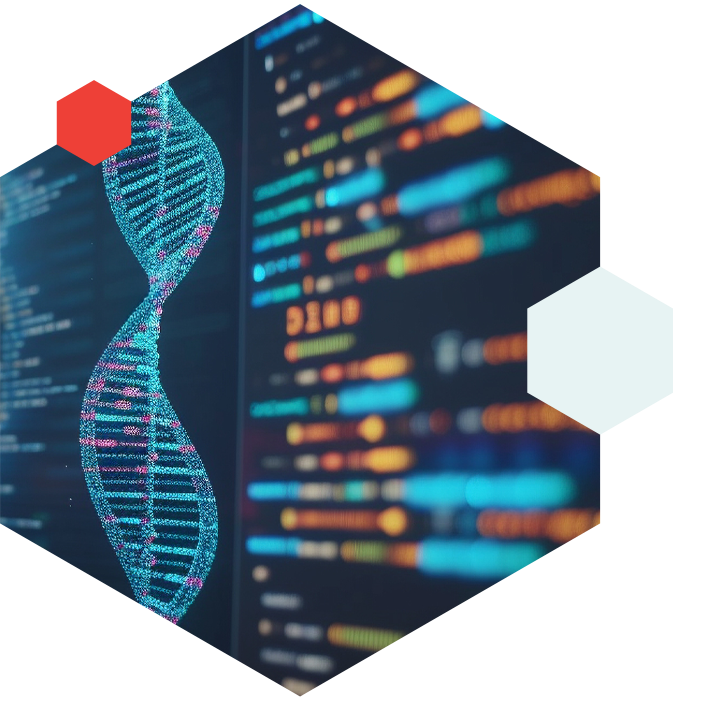 Accelerate your research with our cutting-edge sequencing services. Our hub specializes in:
- Bulk, Single-Cell and spatial RNA-seq – Deep insights into gene expression at population and individual cell levels
- Exome & Whole Genome Sequencing including Long-Read seq – Comprehensive detection of genomic variants
- ChIP-seq & ATAC-seq – Profiling chromatin accessibility and transcription factor binding
- Methylation Sequencing – High-resolution epigenetic analysis
We combine advanced technologies with expert guidance to support projects from experimental design through data interpretation. Partner with us to turn your genomic questions into discoveries.
Sequencing design: Dr. Jianhua Luo, Contact: luoj@upmc.edu
Omics Data Analysis & Integration: Dr. Huma Asif, Contact: hua60@pitt.edu
Please submit your collaboration requests to the Genomics & Epigenomics Sequencing Hub here.

Solving High-Impact Problems in Biomedical Innovation
2026 Registration is now open. To learn more about SHERLOCK and register for the program, please visit: https://www.path.pitt.edu/sherlock
SHERLOCK is a trainee-centered translational training and innovation program designed to catalyze a cultural shift at the University of Pittsburgh toward earlier, more intentional engagement with real-world biomedical impact. The program’s primary goal is to prepare trainees to think translationally from the outset of their research careers, equipping them with the language, mindset, and practical frameworks needed to advance future projects toward clinical implementation, commercialization, or other impact-driven pathways.
SHERLOCK is intentionally designed to complement Pitt’s established faculty innovation and commercialization programs by serving as a feeder and training ground for the next generation of translational leaders. While faculty participation is essential for mentorship and strategic guidance, projects and learning experiences are trainee-led, empowering graduate students, postdoctoral fellows, medical trainees, and early-career researchers to identify high-impact problems, form interdisciplinary teams, and translate discovery into actionable projects. Components include a curated series of seminars featuring speakers with real-world experience in spinouts, licensing, venture capital and scientific due diligence, and intense bootcamps and pitch competitions emphasizing problem-to-project translation.
Hub Leader: Dr. Christiano R. R. Alves, Contact: cra92@pitt.edu
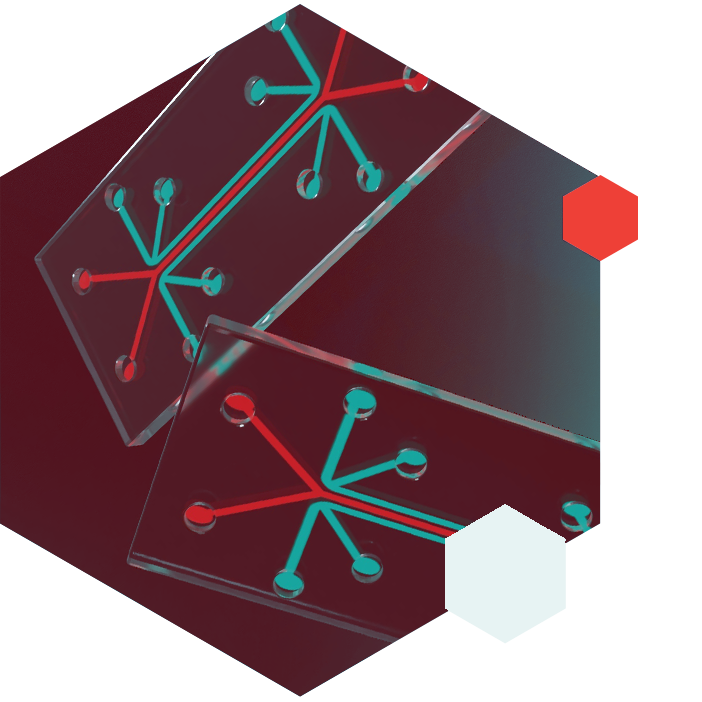
The Human Mimetic Hub houses two complimentary Microphysiological system (MPS) platforms: CN Bio PhysioMimix System and the Emulate Zoe-CM2 System. Crucially for the acceleration of translational discoveries, both these systems replicate human tissue complexity and align with NIH and FDA Modernization Act 2.0 priorities.
The goal of the Hub is to establish science-driven, collaborations with researchers for the orchestrated use and effortless adoption of these physiologically relevant human organ/tissue models. This will transform our ability to:
- Mimic and interrogate the underlying pathobiology of numerous diseases (general or patient-specific)
- Accelerate the preclinical development and evaluation of therapeutics for precision medicine approaches
Moreover, the expertise, resources and scientific acumen of the Human Organ and Sequencing Hubs can be seamlessly integrated into projects and together this will enhance our competitiveness for federal funding.
Hub Leader: Dr. Amanda Clark, Contact: amc235@pitt.edu
 The AIX Hub brings together investigators from the Division of Experimental Pathology and the Computational Pathology & AI Center of Excellence (CPACE) to advance discovery at the intersection of artificial intelligence and experimental science. By integrating expertise in experimental biology, digital pathology, artificial intelligence, computational modeling, and multimodal data analysis, the Hub creates a collaborative environment for developing innovative, data-driven research projects.
A central focus of the AIX Hub is using AI to analyze complex experimental datasets, predict experimental outcomes, and identify promising genes, molecules, pathways, and therapeutic targets for further investigation. Working alongside experimental investigators, AI experts develop and apply computational approaches to uncover patterns and biological relationships that may be difficult to identify through traditional methods alone, with the goal of accelerating scientific discovery, advancing the understanding of disease mechanisms, and supporting the development of new therapeutic strategies.
Hub Leaders:
Dr. Daniel Angarita – yda13@pitt.edu
Dr. Rami Vanguri – r.vanguri@pitt.edu
Dr. Nam Tran - trannk@upmc.edu

The Incubator Hub is a comprehensive faculty development initiative within the Division of Experimental Pathology designed to accelerate the success of junior and early-stage investigators as they establish independent research programs. By integrating flexible research infrastructure, structured mentorship, career development, grant preparation, and collaborative peer review, the Hub provides a supportive environment that helps investigators transform innovative research ideas into competitive funding opportunities.
The Hub is organized around two complementary initiatives:
Incubator Laboratory Program – A shared, flexible laboratory environment that enables investigators to launch new research directions, establish methodologies, generate preliminary data, and evaluate the feasibility of innovative concepts before committing to dedicated laboratory space or larger-scale investments. The program provides access to shared resources and collaborative expertise while lowering the barriers to pursuing high-risk, high-reward research. As projects mature and secure extramural funding, investigators transition from the Incubator Laboratory Program into independent research laboratories, creating a sustainable pipeline for scientific growth and innovation within the Division.
Hub Leader: Jon Klosinski
Email: jek176@pitt.edu
Incubator Study Section – A collaborative peer-review forum where investigators present grant proposals, specific aims, and preliminary data prior to submission. Modeled after the NIH review process, these sessions provide constructive scientific critique, identify strengths and gaps, refine experimental approaches, and improve the overall competitiveness of grant applications in a supportive, collegial environment.
Hub Leader: Dr. Rodrigo Florentino
Email: rodrigomachado@pitt.edu
Together, the Incubator Laboratory Program and Incubator Study Section create a comprehensive framework that combines research infrastructure with scientific mentorship to foster innovation, strengthen grant competitiveness, and support the development of the next generation of independent investigators within the Division of Experimental Pathology.

P.A.T.H. (Professional Advancement, Communication & Talent Hub) is a faculty-driven initiative in the Division of Experimental Pathology designed to support career development through mentorship, promotion guidance, and professional growth opportunities. P.A.T.H. offers access to peer-informed support, small group sessions, and key resources tailored to academic advancement and fosters a collaborative environment where faculty can thrive, grow, and feel empowered in their careers.
For access to SharePoint resources below, please contact Dr. Smita S. Iyer, Contact: siyer.3@pitt.edu.
P.A.T.H. Resources
- Faculty-Wide Programs/Resources
-
Pitt Med Career Development Programs
- Pitt Scientist Well-Being Focus Areas
- Pitt Scientist Coaching Program
- Pitt Research Concierge Program
- School of Health Sciences Events
- University Center for Teaching and Learning
- Office of Innovation and Entrepreneurship
- Grants - Grantmanship Links and Tutorials
- Appointments and Promotions
- Faculty Development
Other Career Development Programs/Resources
- The Faculty Factory
- Center for Faculty Advancement, NYU
- Pitt is an institutional member of the NCFDD, a nationally recognized, independent organization that provides online career development and mentoring resources for faculty, postdocs, and graduate students
- Early Career (Assistant Professor)
-
Pitt Med Career Development Programs
- New Faculty Orientation (OFA)
- Springboard (OACD)
- Early Career Leadership Academy (OACD)
- KARAT Program (DOM)
- Mid-Career (Associate Professor)
-
Pitt Med Career Development Programs
Other Career Development Programs/Resources
- Executive Leadership in Academic Medicine (ELAM)
- Mid-Career Minority Faculty Leadership Seminar
- Mid-Career Women Faculty Leadership Seminar
- Wellness and Leadership - RIT Research on Mid-Career Faculty
- This study highlights practices that catalyze continued career growth of mid-career faculty
- This study highlights practices that catalyze continued career growth of mid-career faculty
- Senior-Career (Professor)
-
Pitt Med Career Development Programs
- Pitt Scientist Distinguished Lectureship Series (OFA)
- Emeritus and Retirement Program (OFA)
- Navigating Promotion at Pitt (SharePoint)
- Wellness and Burnout Literature (SharePoint)
- Engaging Mid-Career Faculty (SharePoint)
 Securing research funding requires clear, persuasive, and well-structured applications. The Office of Scientific Writing and Strategic Grant Development partners with researchers to transform innovative ideas into compelling grant submissions. Through a systematic, collaborative, and iterative process—including objective assessment, content development, writing support, and strategic editing—the office helps faculty refine their proposals to clearly communicate innovation and impact to funding agencies. By combining creativity with technical precision, the office aims to enhance the strength of proposals to maximize funding success.
 Edgar Tafaleng, PhD
ent8@pitt.edu
Address
S-417 BST
200 Lothrop Street
Pittsburgh, PA 15261
Phone
412-648-1260
Our Slack workspace serves as a collaborative hub for the Experimental Pathology Division at the University of Pittsburgh School of Medicine. Designed to foster seamless communication, it enables members to share information and data, exchange ideas, and optimize the use of materials and equipment. We also welcome researchers from our sister institutions to collaborate through designated Slack channels, facilitating cross-institutional discussions, resource-sharing, and joint research efforts.