| Faculty |
Research Interest |
| Andrew W. Duncan, PhD, CMP Director |
Liver development, homeostasis and regeneration |
| Sameer Agnihotri, PhD |
Pediatric and adult high-grade gliomas (HGG) |
| Jonathan K. Alder, PhD |
My research focuses on understanding the role of telomere length in human health and disease. Telomeres are caps on the ends of each of chromosomes and shorten as we age. My current interest is exploring the mechanisms by which telomere dysfunction causes age-related lung diseases including pulmonary fibrosis and emphysema. Our lab uses a number of approaches to explore that pathogenesis of short-telomere mediated disease including genetics, cell biology, and animal models. We hope these studies will lead to a deeper understanding of how telomere dysfunction contributes to lung disease and potentially inform rational therapies. |
| Christiano Alves, PhD |
The application of state-of-the-art genome editing technologies to treat neuromuscular and metabolic diseases |
| Cristian Apetrei, MD, PhD |
Dr. Apetrei’s Laboratory uses nonhuman primate models to address issues of simian immunodeficiency virus diversity and pathogenesis in natural hosts and upon cross-species transmission. |
| Gavin E. Arteel, PhD |
Investigating the magnitude and impact of the changes to the hepatic matrisome in the context of the development and recovery from liver disease |
| Marija Balic, MD, PhD, MBA |
|
| Jason R. Becker, MD |
The molecular processes central to inherited and acquired cardiomyopathies |
| Afshin Beheshti, PhD |
My research broadly focuses on mitochondrial and microRNA (miRNA) biology and its role in human health and disease, spanning spaceflight physiology, space biomedicine, radiation exposure, post-infectious syndromes, cancer, aging, muscle atrophy, and mitochondrial diseases. As Principal Investigator of the Beheshti Lab at the Trivedi Institute for Space & Global Biomedicine and the McGowan Institute for Regenerative Medicine (University of Pittsburgh), I lead a multidisciplinary program that integrates multi-omics data, miRNA biomarker discovery, systems biology, and computational/AI-driven approaches to uncover mitochondrial and miRNA mechanisms of disease and identify novel therapeutic and diagnostic strategies. Current work spans space biomedicine work which covers all aspects of health risks associated with the space environment with the ultimate goal of countermeasure development, Long COVID (Post-Infectious Mitochondrial Syndrome), development of a biosensor for real-time detection of miRNAs, development of novel therapeutics involving clinical trials, and computational/bioinformatic platforms supporting space biomedicine and radiation countermeasure research. Across these projects, my lab aims to translate mechanistic insight into mitochondrial biology and miRNA biology into real-world diagnostic and therapeutic tools for both terrestrial and spaceflight-relevant conditions. |
| Juliane I. Beier, PhD |
Environmental vinyl chloride exposure in the context of existing underlying liver disease |
| Kambez H. Benam, D.Phil |
We apply a multidisciplinary strategy to design and develop biologically and clinically inspired technologies (such as Organs-on-Chips, Vaping Robot, and 3D-Bioprining) that enable us to elucidate cellular and molecular mechanisms that govern tissue pathology or offer protection during lung injury. Simply put, we emulate human biology and function at micro- and nano-scale dimensions to tackle unmet preclinical needs in pulmonary medicine. Our research lies at the intersection of lung biology, immuno-microbiology, tissue microengineering, inhalation toxico-pathology, programming & AI, electrical & mechanical engineering, and systems biology. Ultimately, our goal is to discover novel druggable targets, develop candidate therapeutics, uncover personalized diagnostics and accurately mimic human-relevant pathophysiology using living and non-living engineered systems. |
| Bharat Bhushan, PhD |
Understanding the process of liver injury and compensatory liver regeneration during acute and chronic liver diseases |
| Timothy R. Billiar, PhD |
Regulation and function of inducible nitric oxide synthase |
| Harry C. Blair, MD |
Bone physiology and pathology |
| Irina Bochkis, PhD |
Our laboratory applies experimental and computational methods to identify genetic and epigenetic mechanisms regulating metabolism. We are focusing on understanding how genome-wide chromatin changes, which include chromatin accessibility, nuclear localization and dynamics, and genome organization, lead to physiological dysfunction. Our laboratory utilizes functional genomics, chromatin biology, physiology, and transcriptional regulation in a comprehensive approach to decipher molecular mechanisms in mammalian models of human metabolic disease. |
| Cary Boyd-Shiwarski, MD, PhD |
My research focuses on condensate biology, renal physiology, and transplant medicine — specifically, WNK condensates, liquid-like protein droplets that regulate cell volume and potassium homeostasis. This research program spans molecular, animal, and human studies to define how these condensates form and function in the kidney, immune cells, and vascular endothelium. |
| Tullia C. Bruno, PhD |
We aim to understand B cell infiltration and TLS development within solid tumors to generate effective B-cell focused immunotherapies to augment the current successes of standard of care immunotherapies such as anti-PD1 |
| Ronald J. Buckanovich, MD, PhD |
Ovarian cancer novel basic biological phenomenon; developing therapeutic approaches and translated these findings back into clinic trials |
| Sandra Cascio, PhD |
Investigating the intercellular communications between stroma, tumor cells and immune cells within the tumor microenvironment |
| Stephen Y. Chan, MD, PhD |
I direct a research program and clinical center investigating mechanisms of pulmonary hypertension (PH), the systems biology of endothelial function, and heart-lung-brain axis communication in health and disease. |
| Divay Chandra, MD |
Our basic science research follows a Genetic Map-to-Mechanism (M2M) approach to identify and investigate novel genomic loci linked to lung disease susceptibility. We begin with bioinformatic analyses to pinpoint genetic variants associated with reduced lung function or increased COPD risk. These loci are then analyzed for biological relevance using transcriptomic datasets from resources like GTEx and single-cell databases. To uncover the mechanisms underlying disease susceptibility, we employ in vitro, ex vivo, and in vivo model systems to study how these genetic loci regulate lung function. Ultimately, these mechanistic insights guide the development of novel therapeutic strategies for COPD and related lung diseases. |
| Yuan Chang, MD |
Viral oncogenesis |
| Yuanyuan Chen, PhD |
The molecular mechanism of photoreceptor cell death in retinal diseases, as well as pharmacological treatments of such blinding diseases. |
| Yu-Chih Chen, PhD |
We aim to establish powerful single-cell analysis platforms to decode cancer cell heterogeneity, uncover therapeutic vulnerabilities, and accelerate the discovery of precision treatments. |
| Charleen T. Chu, MD, PhD |
Neurodegeneration, neuroprotection, synaptic plasticity and mitochondrial homeostasis; Parkinson's disease, Frontotemporal dementia; ophthalmic pathology (View Dr. Chu's Laboratory website here) |
| Lan G. Coffman, MD, PhD |
Investigating the role of the stromal microenvironment on ovarian cancer initiation, metastasis and treatment resistance |
| Christopher L. Cunningham, PhD |
Understanding the neural and sensory biology of the vertebrate auditory system |
| Jishnu Das, PhD |
Our research focuses on the development and use of novel systems approaches to analyze high-dimensional immunological datasets and elucidate mechanisms of immune regulation and dysregulation. |
| Brian M. Davis |
Cellular and molecular mechanisms of central and peripheral nervous system development and plasticity |
| Marie C. DeFrances, MD, PhD |
PI3K signaling mechanisms in hepatocytes |
| Charles Dela Cruz, MD, PhD, ATSF |
Pulmonary, Allergy and Critical Care Medicine |
| Silmara de Lima, PhD |
Neuroprotection and regeneration of cells in the retina responsible for carrying the information perceived by the eye all the way to the brain - the retinal ganglion cells (RGC) - focusing on the disease model for optic pathway gliomas caused by the genetic disorder Neurofibromatosis type 1 (NF1-OPG). Our aim is to investigate mechanisms that promote survival and regeneration of RGCs and explore therapeutic targets. |
| H. Henry Dong, PhD |
Beta-cell compensation and insulin resistance in the etiology of gestational diabetes and type 2 diabetes |
| Mo R. Ebrahimkhani, MD |
Organoids, Synthetic Morphogenesis, Genetic Engineering, Regeneration and Repair, Liver, Hematopoietic system |
| Taylor Eddens, MD, PhD |
The Eddens lab studies the acute and long-standing pathology following early life respiratory viral infection. Viral pathogens are major cause of morbidity and mortality in young children. Early life viral infection is also associated with an increased risk of developing asthma. We model early life viral infection using a neonatal mouse model of human metapneumovirus infection. The immune system in neonates and infants is regulated in a manner that favors tolerogenic and anti-inflammatory responses to common stimuli, such as viruses. These differences are present in many cell types, with our lab currently focusing on T cells. CD4+ T cells in neonates skew towards a Th2 phenotype. This Th2 bias seems to persist throughout life, as we have found that mice reinfected with HMPV after an initial neonatal infection develop asthma-like inflammation. Our lab is currently evaluating tissue resident memory cells after neonatal infection and their role in virus-induced asthma. We are also examining transcriptional differences within neonatal CD4+ T cells and how these responses are shaped by local signals in the developing lung. |
| Toren Finkel, MD, PhD |
Mitochondrial function, cellular metabolism, oxidative stress, and aging |
| Magali Fontaine, MD, PhD |
|
| Zachary Z Freyberg, MD, PhD |
Activity-dependent local translation in Alzheimers; Dopamine neuron vulnerability; aging & Parkinson's; Antipsychotic drug-induced metabolic syndrome |
| Daniel Gao, PhD |
Dr. Gao’s research interests focus on using tools derived from CRISPR to modify genetic sequences to identify and treat causes of disease |
| Subhadip Ghatak, PhD |
Exosome-mediated intercellular crosstalk in tissue regeneration and repair and the role of miRNA in wound healing |
| George Gittes, MD |
Diabetes gene therapy |
| Delphine Gomez, PhD |
The functional role of epigenetic and transcriptional mechanisms in controlling key properties of vascular smooth muscle cells (SMC) including cell differentiation, lineage memory and plasticity in the context of major cardiovascular diseases including atherosclerosis |
| Sarah J. Hainer, PhD |
Our lab is driven by a desire to uncover fundamental principles of epigenomic mechanisms that enable precise cellular processes and to understand the regulatory proteins that govern these dynamics. We investigate how chromatin-associated factors orchestrate complex transcriptional networks and aim to translate these insights into a molecular understanding of human disease. |
| Baoli Hu, PhD |
To understand the cellular and molecular mechanisms of brain tumor evolution, and to develop new therapies for these devastating diseases |
| George S. Hussey, PhD |
The discovery, development, and clinical translation of extracellular matrix (ECM)-based and other natural biopolymer materials for functional tissue reconstruction |
| Hun-Way Hwang, MD, PhD |
mRNA regulation in both physiologic and disease scenarios with a special emphasis on 3-prime UTR-mediated regulation |
| Smita Iyer, PhD |
Dr. Smita Iyer is an infectious disease immunologist whose research delves into the intricacies of CD4 T cells, exploring their role in antibody responses and in neuroinflammation caused by viruses like HIV, CMV, and SARS-CoV-2 |
| Eldin Jasarevic, PhD |
Mechanisms involved in the complex interplay between microbiota, their metabolites, chromatin biology, and the transcriptional regulation of development and disease. |
| Daniel Kass, MD |
Our laboratory focuses on understanding basic mechanisms of the differentiation of myofibroblasts in pulmonary fibrosis. |
| Brett Kaufman, PhD |
To understand the contribution of mtDNA metabolism to disease progression |
| Neil J. Kelly, MD, PhD |
Dr. Kelly's research seeks to elucidate how the human exposome interacts with genetic predisposition to influence disease. His work spans epidemiology, genomics, and translational biology, with a particular focus on the roles of environmental factors and circadian disturbances in cardiac conditions. |
| Erin Kershaw, MD |
To forward the understanding and treatment of obesity and related metabolic disorders by combining basic and translational research with clinical expertise |
| Corrine Kliment, MD, PhD |
Epithelial cell function in COPD and pulmonary fibrosis, cellular fate and senescence, airway and ciliary function, mitochondrial biology |
| Melanie Koenigshoff, MD, PhD |
Deciphering mechanisms involved in lung injury, aging and regeneration |
| Julia Kofler, MD |
Phenotype variation in Alzheimer's disease; Chronic Traumatic Encephalopathy; Pediatric Leukodystrophies |
| Alison B Kohan, PhD |
Dr. Kohan is an expert in the field of intestinal lipoproteins and their metabolism, and the interaction between chylomicron metabolism and inflammation |
| Gary Kohanbash, PhD |
Pediatric Brain Tumor Immunotherapy; theranostics; immunoPET; Biomarkers; Adoptive cellular therapy; peptide vaccine immunotherapy |
| Tatiana Kudryashova, PhD |
Mechanisms of pulmonary vascular remodeling in Pulmonary Arterial Hypertension |
| Robert Lafyatis, MD |
Pathogenesis of systemic sclerosis, and its skin and pulmonary complications |
| Eric Lagasse, PharmD, PhD |
Human stem/progenitor cells for liver diseases |
| Adrian Lee, PhD |
The Lee-Oesterreich lab studies the molecular basis of breast cancer development and resistance to therapy, with the goal to improve precision medicine and outcomes for breast cancer patients. We employ a systems biology approach, utilizing a combination of single cell, spatial and bulk sequencing, novel computational biology approaches, and new biological models to identify and validate drivers and therapeutic targets. |
| Gang Li, PhD |
To understand the molecular mechanisms underlying the contribution of disease-associated functional SNPs to the pathogenesis of, and the susceptibility to age-related diseases |
| Jing Li, PhD |
The Li Lab studies the immunoregulatory mechanisms regulating anti-tumor immunity and autoimmune responses |
| Hang Lin, PhD |
The etiology and pathogenesis of osteoarthritis, and aging-associated changes in the articular cartilage |
| Silvia Liu, PhD |
High throughput genomic data analysis by machine learning and statistical methods; Next Generation Sequencing (NGS) and Long-read Sequencing data analysis |
| Ekaterina Lobanova, PhD |
To identify and develop approaches to target common pathobiological mechanisms shared between multiple forms of retinal degeneration |
| Marcus M. Malek, MD, FACS, FAAP |
Intraoperative Molecular Imaging in Pediatric Surgical Oncology |
| Wendy M. Mars, PhD, CMP Former Director |
The roles of hepatocyte growth factor (HGF), IL-6, and elements of the plasminogen activator system in normal tissue regeneration, type 2 diabetes, fatty liver, and cirrhosis |
| Curtis McCloskey, PhD |
Breast and ovarian cancer biology |
| Melissa M. McGovern, PhD |
The McGovern Lab investigates the potential of the mammalian inner ear to regenerate following the loss of sensory cells that detect and transduce sound from the environment to the brain. |
| Christina J. Megli, MD, PhD |
Uncovering new mechanisms underlying maternal morbidity and mortality |
| George K. Michalopoulos, MD, PhD |
Using differentiated cells of the liver (hepatocytes) as models to understand the mechanisms that regulate growth of complex differentiated cells and whole organs |
| Mark Miedel, PhD |
The goal of Dr. Miedel's research is to use all-human structured biomimetic liver microphysiology systems (MPS) to model both normal and disease-state liver physiology |
| Pamela A. Moalli, MD, PhD |
Pelvic Floor Disorders and Prolapse Meshes |
| Satdarshan P. Singh Monga, MD |
Molecular mechanisms of liver growth and development, in health and disease |
| Mike Morowitz, MD |
Diet, the microbiome, and intestinal inflammation |
| Mousumi Moulik, MD |
Heart failure signaling |
| Yvonne Mowery, MD, PhD, DABR |
Dr. Mowery's research interests include immunotherapy/radiation therapy combinations, radiosensitizers, imaging biomarkers, and mouse models of cancer. |
| Benjamin Nacev, MD, PhD |
We study cancer epigenetics with a focus on sarcomas, a rare family of bone and soft tissue tumors. Our goal is to develop rationally designed precision treatments for patients with epigenetically-driven cancers. |
| Niranjana Natarajan, PhD |
My work focuses on macrophage dynamics in cardiovascular disease. A key focus of my lab is the systems biology of heart failure with preserved ejection fraction, (HFpEF). We employ a systems approach to understand inter organ crosstalk and inflammatory signaling in the pathology of heart failure with preserved ejection fraction (HFpEF). We are also interested in the role of chemosensory GPCRs in macrophages. |
| Matthew Neal, MD, FACS |
Trauma-induced coagulopathy and hemostasis following trauma and hemorrhagic shock, Measurement of coagulopathy in trauma and sepsis, Clinical outcomes in trauma/hemorrhagic shock, Clinical outcomes in massive transfusion, Acute care surgery outcomes research and surgical rescue, Outcomes research focusing on emergency general surgery, elective abdominal wall reconstruction, and surgical rescue |
| Jessie R. Nedrow, PhD |
The development of novel radiopharmaceuticals for molecular imaging and targeted radiotherapy therapy |
| Kari N. Nejak-Bowen, MBA, PhD |
Our lab studies the role of cell signaling pathways such as Wnt/beta-catenin in rare liver diseases, with a focus on cellular reprogramming, autophagy, and cell-cell interactions, in order to develop novel therapeutic strategies. |
| Toru Nyunoya, MD |
Dr. Nyunoya’s research interests include the potential role of DNA repair in the development of Chronic Obstructive Pulmonary Disease (COPD) and novel modulators for smoking-induced COPD |
| Michael Oertel, PhD |
Hepatic (stem) cell transplantation and tissue replacement in fibrotic liver |
| Steffi Oesterreich, PhD |
Endocrine resistance in breast cancer |
| Hatice Osmanbeyoglu, PhD |
Decoding tissue microenvironments for disease research using omics and computational modeling. She is particularly interested in modeling transcriptional regulation, and studies transcription factors in both normal and disease contexts |
| Tim D. Oury, MD, PhD |
Asthma/Allergic airway inflammation. Studies the role of the receptor for advanced glycation end products (RAGE) in asthma. |
| Ivona Vasile-Pandrea, MD, PhD |
SIV pathogenesis in progressive and nonprogressive hosts. Immune therapies for HIV infection |
| Andrey A Parkhitko, PhD |
Dr. Andrey Parkhitko is an Assistant Professor of Medicine in the Aging Institute and Division of Endocrinology and Metabolism. Dr. Parkhitko’s research program focuses on three major interconnected themes, with the overall goal of identifying metabolic mechanisms underlying aging that could potentially lead to novel interventions for healthy aging: i) Theme 1: Mechanisms of metabolic reprogramming underlying aging; ii) Theme 2: Interactions between pro-longevity pathways; iii) Theme 3: Developing novel tools (xenotopic tools) to perturb and study metabolism. We also use the power of Drosophila genetics to search for synthetic lethal ($\text{SL}$) interactions with tumor suppressor genes, with follow-up studies in human cancer cells and mouse models. |
| Thomas Pearce, MD, PhD |
Computational analysis of whole-slide images for quantification of neurodegenerative changes, digital spatial profiling of protein and RNA expression in human brain tissue, and the molecular neuro-oncology of brain tumors, particularly infiltrative gliomas. |
| Julie Phillippi, PhD |
Microvascular regeneration, ECM biomaterials, progenitor cells, aortic disease |
| Reben Raeman, MS, PhD |
Hepatic inflammation and fibrosis in non-alcoholic steatohepatitis (NASH) |
| Hooman H. Rashidi, MD, MS, FCAP |
Using bioinformatics and machine learning (ML) to create innovative new tools (i.e. MILO, STNG, Pitt-GPT, etc.) and resources (Hematology Outlines, Cleveland Clinic's AI course, etc.) that improve clinical practice, research and education |
| Babak Razani, MD, PhD |
Understanding the mechanisms of common metabolic diseases |
| Sarah E. Ross, PhD |
My primary interest is the neural circuits of homeostasis, with an emphasis on understanding the prediction loops through which primary sensory input regulates autonomic output and gives rise to perceptual correlates of pain, temperature and itch. |
| Amrita Sahu, PhD |
Aging, skeletal muscle physiology, cognition, skeletal muscle-brain axis, extracellular vesicles, tissue engineering, regenerative medicine, quantum biology, and rehabilitation sciences. |
| Nicole N. Scheff, PhD |
Neurobiology of head and neck cancer and orofacial pain |
| Iain Scott, PhD |
Mitochondrial metabolism and bioenergetics |
| Melanie J Scott, MD, PhD |
Innate immune responses after surgery, trauma, hemorrhagic shock and infection |
| Daniel Shiwarski, PhD |
The application of engineering principles to answer biological questions for clinical translation by integrating vascular mechanobiology with cell biology, microscopy, biomechanics, and tissue engineering |
| Ian A. Sigal, PhD |
Develop experimental, computational and imaging tools to understand the architecture and biomechanics of the eye and glaucoma |
| Kanhaiya Singh, PhD |
Dr. Singh’s laboratory focuses on epigenetics of diabetic vasculopathy and wound healing. His laboratory is investigating epigenetic mechanisms such as DNA methylation as a proxy for abnormal gene–environmental interactions in diabetic ischemic wounds. The lab’s current line of study aims to develop a simple and point-of-care approach to achieve targeted epigenetic editing of adult diabetic ischemic tissue in vivo. The research is funded through a grant from the U.S. Department of Defense (DoD). His laboratory is also investigating the molecular mechanism in diabetic vasculopathy and limb ischemia. Researchers are applying single-cell RNA sequencing technology to study the endothelial cells of the human diabetic skin in order to identify novel ligands and receptors that can improve outcomes of the vascular endothelial growth factor (VEGF) therapy. To that end, his team is employing tissue nanotransfection technology as a delivery platform to administer combination gene therapy for diabetic ischemic limb rescue. |
| Rinda Soong, MD, PhD, MPH |
Dr. Soong's research interests focus on the pathogenesis, detection and prevention of women's cancers |
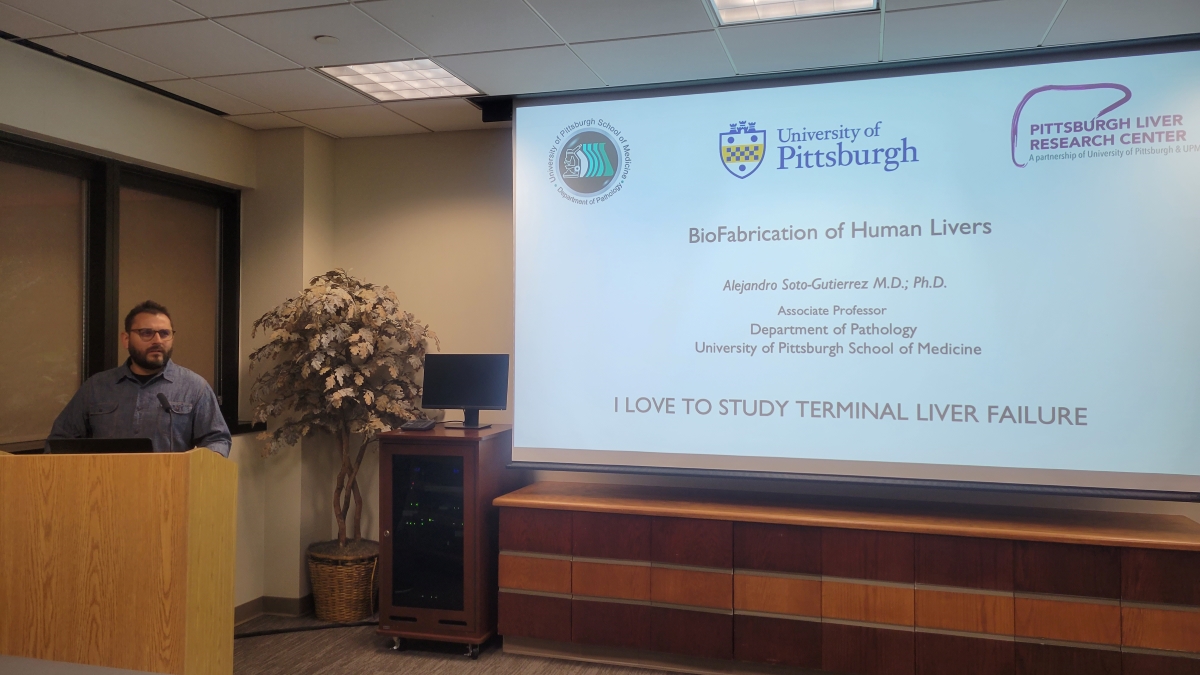
| Alejandro Soto-Gutierrez, MD, PhD |
Reprogramming chronically injured tissues using iPSCs and human organ models for precision medicine and targeted tissue regeneration |
| Cynthia St. Hilaire, PhD |
Focused on identifying and characterizing the mechanisms underlying the development of vascular and valvular calcification pathologies, with specific interest in how inflammation and mechanical stress drive the transformation of a healthy vascular cell into a calcifying cell. For these investigations, the St. Hilaire Lab obtains human tissues from patients with various cardiovascular diseases, utilizes murine models and primary human patient cells and tissues to create in vitro and ex vivo disease models, and performs biochemical, molecular biology, and next generation sequencing techniques. |
| Roderick J. Tan, MD, PhD |
The molecular mechanisms underlying the development of acute kidney injury and chronic kidney disease |
| Sina Tavakoli, MD, PhD |
Development of novel molecular and metabolic imaging strategies for early detection and risk stratification of cardiovascular and pulmonary diseases using PET and SPECT |
| Hēth R. Turnquist, PhD |
The Turnquist lab works to decipher how immune cells interact with damaged tissue after injury caused by trauma and organ transplantation. We are particularly focused on gaining a better understanding of how “alarmins”, or typically sequestered self-derived immunomodulatory molecules regulate the immune system to orchestrate specific outcomes. |
| Dario A. Vignali, PhD |
The Vignali Lab primarily studies inhibitory mechanisms in cancer using mouse models and occasionally patient samples and datasets (pre-/post-treatment with immunotherapies), with a focus on inhibitory receptors (LAG3 and PD1) and regulatory T cells (Tregs). We also study mechanisms of T cell exhaustion. We make heavy use of sophisticated mutant mouse models, systems immunology, transcriptomic analysis (scRNAseq), super-res microscopy and multispectral imaging and transcriptomics. We are also focused on the development of novel immunotherapies, and engineer our own antibody-based therapeutics. |
| Flordeliza S. Villanueva, MD |
Development of ultrasound contrast agents (microbubbles) for assessment of the microcirculation, ultrasound molecular imaging, and ultrasound-mediated therapeutics |
| Nam Vo, PhD |
Role of metabolic regulation in aging biology of the intervertebral discs. Elucidation of functional roles of lactate in epigenetic gene regulation, autophagy, and cellular senescence in modulating intervertebral disc degeneration and low back pain. |
| Jing Hong Wang, MD, PhD |
Cancer immunology and immunotherapy using head and neck squamous cell carcinomas (HNSCCs) and B cell lymphomas as models |
| Alan Wells, MD, DMS |
Cell and matrix communication in tissue physiology and pathology: exploring tumor progression and wound healing from molecular interactions through organismal biology using novel engineered models with a focus on all human systems |
| Alexandria Wells, PhD |
As the body’s largest and outermost barrier organ, the skin is a primary target for infection and autoinflammatory diseases. Thus, generating protective immune responses in the skin is essential for host resilience. My lab seeks to understand how host-intrinsic genetic factors regulate the development, maintenance and function of tissue-resident immune cells, including Langerhans cells and CD8 T cells. Specifically, we are interested in how endogenous retroelements, ancient transposon and retroviral sequences that occupy up to 37% to 40% of the mouse and human genomes, respectively, coordinate immunity in the skin. We also aim to elucidate the molecular mechanisms regulating endogenous retroelement expression in tissues. Together, we hope to identify both molecular and cellular targets that can be therapeutically leveraged to improve wound repair responses, and to treat and prevent diseases including psoriasis and cancer. |
| Zachary P. Wills, PhD |
Neural Circuit Development and Dysfunction in Disease |
| Haodi Wu, PhD |
Understand the mechanism of cardiac diseases with human induced pluripotent stem cell platform and CRISPR/Cas9 genome editing tools |
| Yi Xuan, PhD |
Developing the next generation of tissue nanotransfection (TNT) device; Nanochips for exosome detection; Novel biochips for wound healing applications; Computational simulation to investigate TNT mechanisms at the nanoscale |
| Vijay K. Yechoor, MD |
Discovering regulatory mechanisms that control B-cell proliferation, function, and development as well as their application in prevention and therapy of diabetes |
| Lianghui (Lucy) Zhang, MD, PhD |
Exploring immuno-pathogenic mechanisms of respiratory virus-induced acute and chronic lung injury and developing novel treatments to reduce its mortality |